South Africa’s TCIB Plan: A 2027 Roadmap for Faster Regional Payments
Live Markets Editorial Team
Updated:
South Africa's published TCIB roadmap targets qualifying low-value regional payments by April 2027 and an eight-country hub-and-spoke pilot by October.
What changed
In a speech published by the Bank for International Settlements on October 26, 2026, South African Reserve Bank Governor Lesetja Kganyago described a regional cross-border retail-payments roadmap. Its central infrastructure is TCIB, meaning Transactions Cleared on an Immediate Basis. The initiative concerns lower-value payment flows in the Southern African Development Community context, not a new payment network already operating throughout Africa.
The Governor said the plan is to move qualifying lower-value retail payments below R100,000 to TCIB by the end of April 2027. The speech then set out an aim for a hub-and-spoke pilot across eight pilot countries by October 2027. The timeline is prospective: these are milestones described by the central-bank governor, not evidence that every participant, corridor or technical connection is already in place.
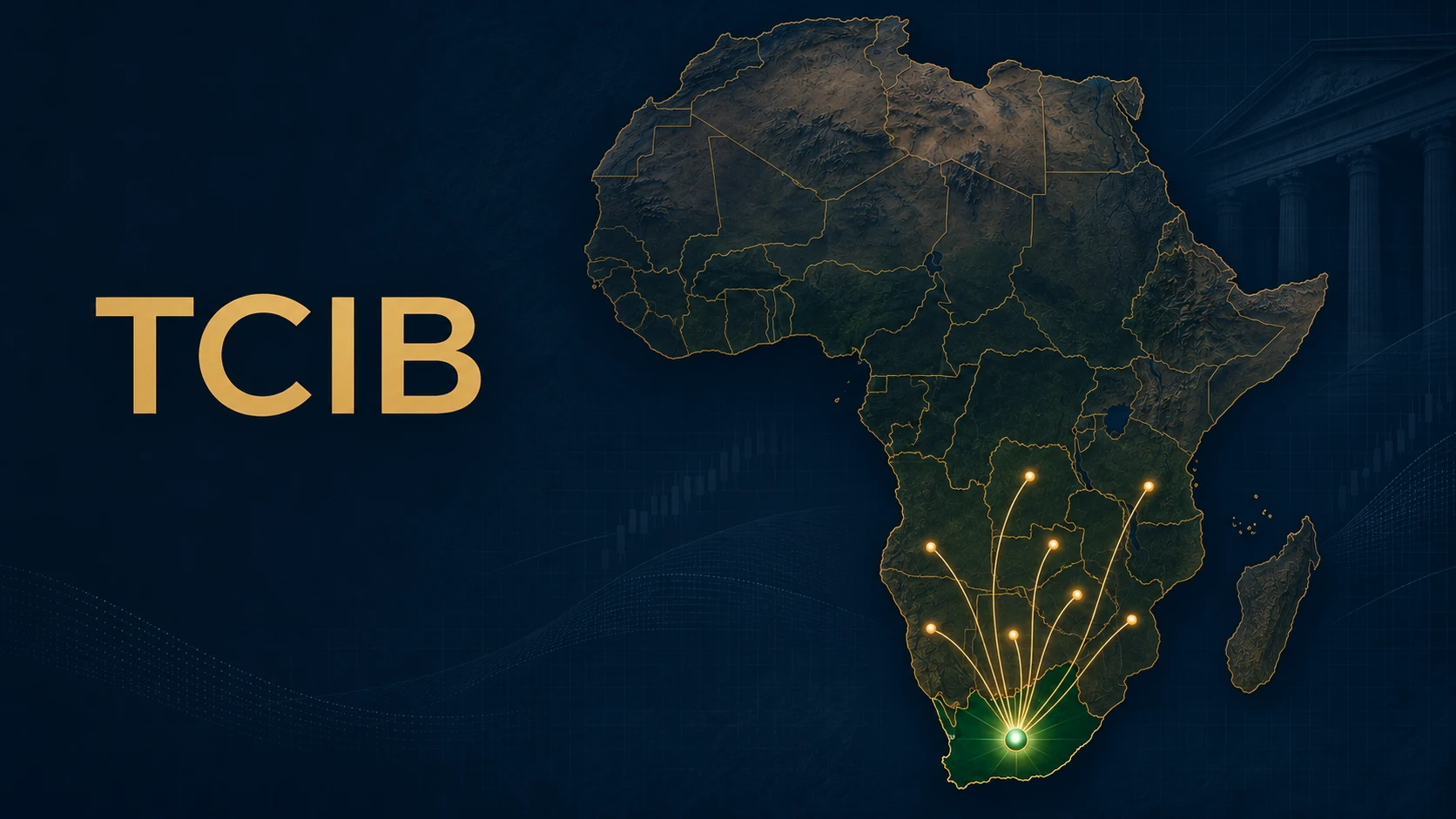
The stated hub-and-spoke design would let participants connect through a common regional hub rather than relying only on separate bilateral connections. That describes the intended model. The speech does not establish the final roster of participating institutions, the complete set of live corridors, customer fees, transaction limits beyond the cited threshold, or the operating performance users will experience once a pilot begins.
The announced sequence places the qualifying-payment target before the eight-country pilot, but the speech does not spell out how the two milestones connect operationally. They describe different readiness steps: eligible flows reaching TCIB and a later cross-country pilot. Confirmation should distinguish technical testing, participant onboarding and customer availability; progress on one does not establish the others. Later official updates should specify what evidence confirms each milestone.
Why it matters for regional payments
Cross-border transfers can involve multiple banks, payment providers, currencies, compliance checks and settlement arrangements. When institutions build connections corridor by corridor, each link can require its own technical integration, operating rules and reconciliation processes. A shared hub can, in principle, reduce the number of direct connections each participant needs to maintain and give the region a more common way to route qualifying payments.
That design could make expansion easier if the hub's standards are adopted consistently. A new participant may be able to connect once and reach more network participants, rather than negotiating and testing a separate link with every counterparty. Common infrastructure can also support shared operating procedures. These are potential advantages of the architecture, not measured results from the announced pilot.
Payment speed is only one part of usefulness. Customers and businesses also care about the total amount received, fees, exchange-rate transparency, availability, error handling, fraud controls and recourse when a transfer is delayed. A real-time rail can move a payment quickly without automatically making it inexpensive or accessible. The roadmap will need to be judged on those practical outcomes as well as its network design.
A regional hub also raises governance and resilience questions. Participants need clear rules for access, settlement finality, liquidity, operating hours, cybersecurity, outages and responsibility for resolving disputes. The available speech establishes the intended direction and dates but does not provide detailed answers to every operational question. Those details should be checked against later official publications rather than inferred from the word “immediate.”
For the SADC region, a common hub would complement rather than replace national payment systems. A domestic transfer can clear on national rails, while a regional transfer requires interoperability between participants, currencies and operating rules. The roadmap's stated scope is southern Africa; the illustrative map should not imply routes beyond those officials later confirm.
What to watch before 2027
The first check is whether the announced April milestone is met for the qualifying payment types described. Look for official confirmation of which flows move to TCIB, what “qualifying” means in practice, how the R100,000 threshold is applied, and whether the relevant institutions are operationally connected. A published plan, a technical test and a live service are different stages.
Before the October target, watch for official details about the eight pilot countries, participating banks and payment service providers, currencies, corridors and the hub's operating model. Confirm whether the planned pilot is limited, staged or open to additional participants. The speech says a pilot is planned; it does not name all of those details in the roadmap excerpt.
For consumers and businesses, the most useful evidence will include published fees, exchange-rate disclosures, expected delivery times, transaction limits, service availability and complaint or reversal procedures. If these are not yet available, that is a gap to track, not a reason to assume that transfers will be free, instant in every case or universally accessible.
Compare later progress reports with the announced dates, eligibility rules, participant lists and corridor coverage. If the timing or scope changes, identify the newer official update and distinguish it from the original plan. Those checks will show how much of the roadmap has advanced without treating a target date as proof of completed rollout.
Sources
- Rewiring payments - open. Connected. Inclusive. — Bank for International Settlements — Speech by South African Reserve Bank Governor Lesetja Kganyago, published October 26, 2026; TCIB roadmap and pilot milestones.