Bank of England Raises Bank Rate to 4% in November 2026
Live Markets Editorial Team
Updated:
The Bank of England lifted Bank Rate to 4% as it judged inflation pressure had become strong enough to warrant tighter policy.
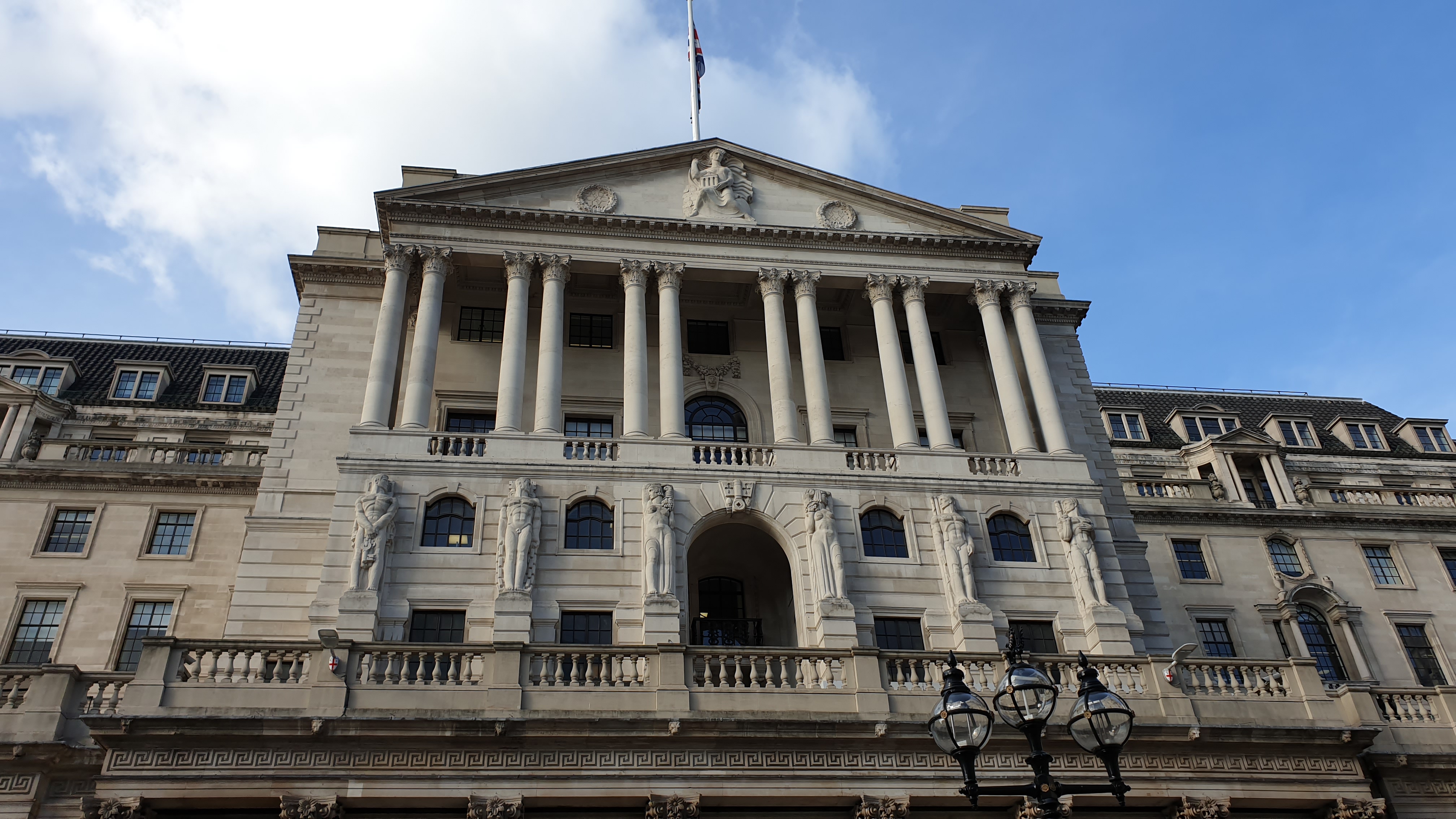
The Bank of England raised Bank Rate by 25 basis points to 4% at its November 2026 meeting, saying that inflation pressure in the pipeline had become strong enough to require a tighter policy stance.
The Monetary Policy Committee voted 8–1 for the quarter-point increase at its meeting ending on 4 November. One member preferred a larger 50-basis-point increase to 4.25%.
What changed
The decision reversed the previous meeting’s hold at 3.75%. The Bank said higher energy prices, stronger-than-expected activity and signs that domestic inflation pressure had stopped easing all contributed to its judgement.
UK CPI inflation was 3.5% in September, according to the Bank’s November Monetary Policy Report. The Bank expects headline inflation to rise to around 5% by the middle of 2027 before easing as the direct effect of higher energy prices fades. That is the Bank’s forecast, not a certainty.
The Committee also said policy is not on a preset path. Future decisions will depend on whether higher energy costs spread more broadly into wages, services prices and household inflation expectations.
Why it matters for sterling
Interest-rate decisions influence the relative return investors receive from holding one currency instead of another. All else equal, a higher UK policy rate can support sterling. But currency moves also depend on what other central banks do, how inflation and growth evolve, and how much of a decision markets had already expected.
For GBP/USD readers, the important point is not that a rate rise automatically means a stronger pound. The relevant question is whether the Bank of England’s future path becomes more restrictive or less restrictive than expectations for the Federal Reserve and other major central banks.
Why it matters for borrowers, savers and markets
Bank Rate is a benchmark for many borrowing and saving products, but changes are not passed through identically or immediately. Variable-rate borrowers may face higher costs if lenders reprice their products. Fixed-rate borrowers are affected mainly when they refinance. Savings rates can rise as well, although banks set their own rates and terms.
For markets, the decision matters through gilt yields, mortgage pricing, corporate financing costs and valuation assumptions. A higher expected rate path can put pressure on rate-sensitive assets, while persistent inflation can keep both bond and currency markets volatile.
What to watch next
The next Bank of England policy decision is scheduled for 17 December 2026. Before then, markets will focus on UK inflation, wage growth, activity data and energy prices for evidence on whether domestic inflation pressure is easing or spreading.
Readers comparing major currencies can also track the forex market, the British pound reference rate, and the US dollar reference rate.
Disclaimer
This article is for informational purposes only and is not investment, lending or currency-trading advice.
Sources
- Monetary Policy Summary and Minutes — November 2026 — Bank of England — Published 5 November 2026.
- Monetary Policy Report — November 2026 — Bank of England — Published 5 November 2026.