Bank Indonesia Raises Its Policy Rate to 6.00% as Rupiah Stability Takes Priority
Live Markets Editorial Team
Updated:
Bank Indonesia raised its policy rate by 25 basis points to 6.00% on 18 November 2026, citing Rupiah stability, global volatility and its inflation target.
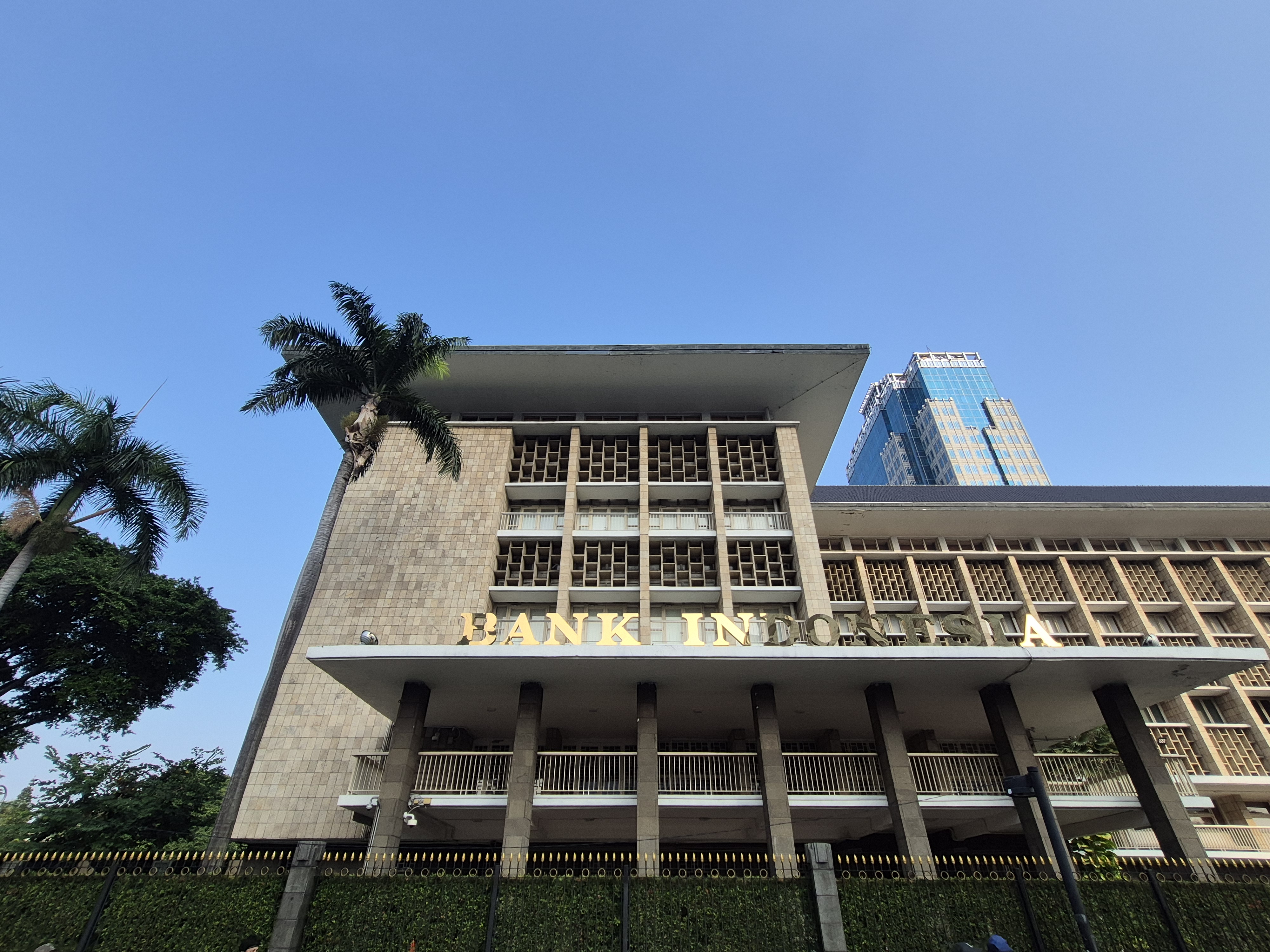
Bank Indonesia raised its benchmark policy rate by 25 basis points to 6.00% on 18 November, placing exchange-rate stability at the centre of its response to heightened global uncertainty.
What Bank Indonesia changed
Bank Indonesia’s Board of Governors raised the BI-Rate by 25 basis points to 6.00% at its 17–18 November meeting. It also raised the Deposit Facility rate to 5.25% and the Lending Facility rate to 6.75%.
The central bank said the move was intended to reinforce Rupiah-stabilisation efforts amid heightened global uncertainty and to help keep inflation within its 2.5% plus or minus 1 percentage-point target range for 2026 and 2027. This is an official policy decision, not a forecast of a particular exchange-rate level.
Why the currency decision matters
For currency markets, the key message is the priority Bank Indonesia assigned to the Rupiah. A higher policy rate can support a currency by increasing the return available on local-currency assets, although exchange rates also respond to global risk appetite, US rates, trade flows and investor positioning.
Bank Indonesia described persistently high global uncertainty, elevated commodity prices and a strong US dollar environment as pressures facing emerging-market currencies. It reported that the Rupiah stood at Rp18,245 per US dollar on 17 November, down 0.66% from the end of October. That observation provides context for the decision; it is not a live quote.
The policy statement also outlined the tools that accompany the rate increase. These include foreign-exchange intervention through offshore non-deliverable forwards, domestic spot and domestic non-deliverable forwards, as well as incentives intended to expand hedging activity. Those tools matter because a policy rate is only one part of a central bank’s exchange-rate toolkit.
Growth, inflation and payment-system policy stayed in view
The decision was not framed as an attempt to slow the domestic economy. Bank Indonesia said it would maintain accommodative macroprudential policy to support lending and the real economy while monetary policy focuses on price and currency stability.
It also announced several payment-system and infrastructure steps, including an inbound QRIS cross-border pilot with Hong Kong planned for the second week of December 2026. That planned pilot is separate from the interest-rate decision, but it illustrates how the central bank is pairing currency stability measures with payment-system development.
For readers following live exchange markets, the practical distinction is important: central-bank policy can shape the backdrop for a currency, but no policy announcement guarantees a specific future market rate or the price offered by a bank or exchange shop.
What to watch next
The next questions are whether the Rupiah stabilises as global conditions evolve, how inflation tracks against the target range, and whether Bank Indonesia signals further action through its rate path or its foreign-exchange operations.
Readers can follow broader exchange-market context on [Live Forex Rates](/forex) and compare reference currency values with the [Currency Converter](/converter). Those tools show market information and do not constitute a trading recommendation.
Disclaimer
This article discusses an official central-bank decision for informational purposes. It is not investment, trading or currency advice, and it does not predict future exchange rates.
Sources
- BI-Rate Raised 25 bps to 6.00% Strengthening Stability, Supporting Economic Growth — Bank Indonesia
- Hero image credit — Wikimedia Commons — Hero image: Medelam, “Gedung Bank Indonesia di Jakarta (2026) 01,” via Wikimedia Commons, CC BY-SA 4.0.